Section 1 – The Upgrade Cycle
I still remember the smell of the first camera box I opened. It had that faint new-electronics scent, a mix of cardboard and plastic and something metallic. I sliced the tape carefully, like I was handling something fragile, even though it was built to survive rain and impact. I told myself I was investing in a hobby. A serious hobby. Not just something casual.
That first DSLR felt heavy in my hands. Solid. Professional. I took it outside that same afternoon and photographed my driveway, the mailbox, my neighbor’s dog, the trees across the street. Everything looked sharper than my phone. I zoomed into the images on my computer that night and felt a quiet rush. This was it. This was the beginning of real photography.
For a few weeks, I was energized. I woke up earlier on Saturdays just to walk around town. I crouched down for angles. I adjusted settings I barely understood. I talked about aperture like I knew what it meant beyond “blurry background.” My friends noticed the camera slung over my shoulder at barbecues. I liked that.
Then something subtle started creeping in. The photos were fine. Not bad. Not embarrassing. But not strong either. They looked like someone trying. Like someone who bought a camera.
So I upgraded.
The entry-level body became a mid-range model. Faster autofocus. Better low-light performance. More dynamic range. That phrase alone justified half the purchase. I read review sites late at night like they were financial reports. I compared sensor charts the way I compare investment projections at work. It felt logical. If the tool improves, the output improves.
Unboxing number two felt even better. I told myself this time it would be different. This time I would see a real leap. And at first, I did. Images looked cleaner. Highlights didn’t blow out as easily. The files were richer when I edited them. I posted a few shots online and got more likes than usual. That tiny bump in validation mattered more than I admitted.
But a month later, the pattern returned. Same feeling. Same flatness in my chest when scrolling through my own gallery. The images were technically solid. They were just… average.
I kept searching how to take better pictures. I kept buying instead.
Full-frame came next. That was the big jump. The one serious photographers talk about in forums like it’s a rite of passage. I convinced myself I had outgrown crop sensors. I used phrases like “depth of field control” and “professional rendering” to justify the cost. The credit card bill stung, but I smoothed it over by calling it a long-term investment.
The first weekend with the full-frame body felt almost electric. I drove an hour out of town to photograph an old grain silo at sunset. The files were beautiful. Clean shadows. Soft falloff in the sky. I zoomed in and saw detail I had never captured before.
And still.
Something was missing.
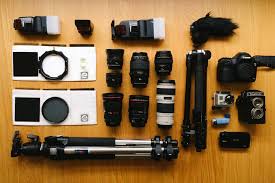
I started upgrading lenses next. Kit lens replaced by a constant aperture zoom. Then faster glass. Then primes. Each purchase came with a new wave of optimism. I would stand at my kitchen table laying everything out, like proof of progress. Thousands of dollars of equipment arranged neatly in front of me. It looked impressive. It looked serious.
But when I looked at my photos side by side over the years, they did not feel dramatically different. Slightly sharper, yes. Slightly creamier backgrounds. But the core of the image, the feeling, the clarity of subject, the sense of purpose, that part was not changing.
I told myself improvement takes time. I told myself everyone goes through this phase. I told myself the next upgrade would finally close the gap between what I imagined and what I produced.
It was easier to believe that than to consider the alternative.
I spent more time on photography forums than I want to admit. Most nights after dinner, I would sit on the couch with my laptop balanced on my knees and scroll through threads that felt half technical, half competitive. There were charts comparing dynamic range at different ISO levels. Crops zoomed in to 300 percent to prove sharpness. Side by side tests of lenses that cost more than my first car payment.
I did not see it as insecurity. I saw it as research.
When someone posted an image that felt stronger than mine, I looked straight to the gear list in their signature. Full-frame body. Fast prime. High-end zoom. If their setup was better than mine, the logic felt clean. Of course their photos looked better. They had more capability.
I joined the conversations. I debated autofocus systems. I discussed sensor noise at ISO 3200 like it actually affected the way I shot on Saturday mornings in decent light. I told newer members that investing in good glass early was wise. I sounded confident. I probably believed myself.
At some point I started thinking that learning photography meant upgrading my tools before upgrading myself. It sounded reasonable. If your hammer is dull, you replace the hammer. You do not blame the nail.
The forums rewarded that mindset. Every week there was a new rumor about an upcoming release. Slightly faster burst rate. Slightly improved tracking. A new coating on the lens elements. The differences were tiny, but the excitement was not. Preorder threads would fill up instantly. People shared screenshots of confirmation emails like trophies.
I told myself I was being practical. I had a steady income. I did not gamble or buy expensive watches. This was my thing. My one indulgence. And technically, the upgrades did produce measurable differences. Files were cleaner. Focus was faster. Shadows recovered better in editing.
But when I looked at my own images, stripped of metadata, stripped of context, they still felt cluttered. My subjects did not stand out. My backgrounds were busy. The light was often flat because I shot whenever it was convenient, not when it was interesting.
I would post an image and wait. A few polite comments. “Nice colors.” “Great sharpness.” No one said it was memorable. No one said it stopped them.
Instead of asking why, I searched again. I typed how to take better pictures into the search bar like it was a technical problem waiting for a technical fix. Most of the results mentioned light, composition, patience. I skimmed those parts. I focused on the ones that talked about equipment limits.
I convinced myself I had reached the ceiling of what my current setup could do. That thought gave me relief. It meant the problem was solvable with a purchase. Problems tied to money are neat. They have checkout buttons.
I upgraded editing software too. New interface. More advanced color grading tools. Masking improvements. I spent a weekend watching tutorials about curves and local adjustments. For a few days, my images looked more dramatic. Richer contrast. Deeper tones. But under the surface, the structure of the photo had not changed. The composition was still loose. The subject still blended into the frame.
There was a thread one night about “glass vs skill.” It turned heated fast. Some argued that the photographer matters more than the camera. Others said that without the right tools, you are handicapped from the start. I sided quietly with the second group. It felt safer.
I thought improving my photography skills would happen automatically if I just surrounded myself with better hardware. Like proximity would rub off. I bought a 35mm prime because someone said it forces you to see more intentionally. I used it twice, then switched back to the zoom because it was easier.
Ease became my pattern.
I rarely waited for better light. I rarely changed my height or position more than a step or two. I shot from eye level because that is where I naturally stand. I framed quickly. I took several images and assumed one would work.
When they did not, I blamed the gear.
There was a subtle comfort in that. If my camera was the limiting factor, I did not have to confront my own lack of visual awareness. I did not have to admit that I was impatient. Or that I often shot when I felt like shooting, not when the scene asked for it.
One night, after scrolling through another comparison thread, I caught myself calculating resale value before even placing the order. That should have told me something. Instead of asking whether I needed another upgrade, I was figuring out how to justify the next one.
I told my wife the new lens would “complete the kit.” She raised one eyebrow and asked, “I thought it was already complete.” I laughed it off. I said photography is evolving. She did not argue. She just nodded in a way that suggested she had seen this pattern before.
I did not feel reckless. I felt strategic. That is what makes it harder to admit. I was not chasing status. I was chasing improvement. Or at least I said I was.
Deep down, though, I avoided the more uncomfortable truth. Every time I searched how to take better pictures, I was hoping to find a shortcut that did not require slowing down or changing my habits. I wanted sharper files, not better composition. Cleaner shadows, not stronger light direction.
The forums kept echoing back what I already believed. And I kept listening.
The turning point did not happen at a workshop or after some dramatic failure. It happened on a Saturday morning I almost canceled. My friend Daniel texted me the night before and asked if I wanted to walk the old rail yard downtown. Nothing formal. Just coffee and cameras. I almost said no because the forecast looked dull and overcast, and overcast light had become my excuse for staying home unless I had new gear to test.
Daniel is not obsessed with equipment. He owns one body. Eight years old. Crop sensor. A scuffed kit lens with the rubber grip peeling slightly at the edge. I have seen him wipe it with his shirt more than once. It used to bother me just looking at it.
We met near the coffee shop at 7:30. I showed up with my full-frame body, two primes, and a zoom in my backpack. Daniel carried his camera on a thin strap and nothing else. He looked lighter, physically and mentally.
The rail yard was quiet except for distant traffic and the low metallic clink of wind pushing against loose panels on abandoned cars. The light was flat, but soft. I started shooting almost immediately. Rust patterns. Broken windows. A wide shot of the tracks disappearing into fog. I moved quickly, switching lenses twice in the first fifteen minutes.
Daniel stood still more than he moved. He would look at something for a while before raising his camera. Sometimes he did not take the shot at all. He shifted his feet, crouched lower, stepped sideways, then waited. I asked what he was looking for.
“Edges,” he said. “Where things collide.”
I nodded like I understood.
At one point he stopped near a single yellow weed growing between the tracks. I had already walked past it. To me it was background detail. He knelt down and waited for a gap in the passing clouds. The light changed slightly, just enough to brighten the petals against the darker steel rails. He took one frame. Maybe two.
I took twelve from different angles. Just in case.
We walked for almost two hours. I shot constantly. I filled a card. Daniel shot sparingly. He checked his screen occasionally but did not zoom in obsessively. He looked relaxed.
When we sat down later to review images over coffee, I felt confident. My files would be cleaner. More dynamic range. Better glass. That much was certain.
He turned his laptop toward me first.
The weed between the tracks was no longer background detail. It was the subject. The rails framed it in a subtle diagonal that led the eye straight to the center. The light on the petals felt intentional, even though it had shifted naturally. The background was simple. Nothing distracting. My eyes went exactly where they were supposed to go.
He scrolled to another image. A wide shot of the yard that felt layered. Foreground texture. Midground subject. Background shape. There was a sense of depth I rarely achieved, even with better sensors and faster lenses.
I felt something tighten in my chest. Not jealousy exactly. Something closer to exposure.
“What were you shooting at?” I asked.
“Probably f/5.6,” he said casually. “Doesn’t matter much. I just wanted the lines clean.”
Doesn’t matter much.
I opened my own images. They were sharp. Technically fine. But busy. The yellow weed got lost in competing textures because I had not simplified the frame. My wide shots felt scattered. No clear subject hierarchy. I had relied on the scene being interesting instead of organizing it.
“Your files are cleaner,” he said politely. “You can pull more out of the shadows.”
I knew that was true. And it did not help.
There was no equipment excuse available. He did not have faster autofocus. He did not have a wider aperture. He did not have better dynamic range. Yet his images felt stronger because he controlled the frame. He waited for better light instead of accepting whatever existed at that moment. He moved his body instead of changing lenses.
I heard myself say, half joking, “Maybe I need to downgrade.”
He smiled. “Or maybe you just need to slow down.”
I almost argued. I almost listed the advantages of full-frame sensors. Instead I just stared at his photo of that yellow weed again. The simplicity bothered me. It was so obvious once I saw it.
On the drive home, I kept replaying the morning in my head. I had taken more photos. I had more flexibility in editing. I had more options in terms of focal length. And still, the stronger images came from the older camera with the peeling grip.
I told myself it was just one outing. One comparison does not invalidate years of investment. But the doubt had entered, and it was louder than I expected.
That night I opened my Lightroom catalog and filtered my best-rated images from the past three years. I tried to look at them without reading the metadata. Without remembering which camera I used. I asked myself a simple question: if I did not know the gear behind these images, would I be impressed?
Some held up. Many did not.
The pattern was uncomfortable. When an image worked, it was usually because the subject was isolated clearly. Or the light direction was strong. Or the composition was simple. None of those variables required new equipment. They required attention.
I had spent thousands of dollars trying to solve a problem that was not mechanical.
The worst part was not the money. It was the realization that I had been hiding behind it.
The next week felt uncomfortable in a way no new camera ever had. I did not order anything. I did not browse comparison charts. I did not open review videos in the background while working. Instead, I opened my own gallery again and forced myself to look longer than usual.
I zoomed out instead of zooming in. I stopped checking sharpness and started checking structure. Where did my eye go first? Where did it wander after that? Did it land on something meaningful or just bounce around the frame?
The answer was usually the second.
My images were crowded. I rarely controlled the edges of the frame. I let bright objects sit near corners without noticing how they pulled attention away from the subject. I centered things too often because it felt safe. I shot from eye level almost every time because it required the least effort.
It was humbling to see the repetition.
I had read dozens of articles about photography. I had ignored the uncomfortable parts. The parts about waiting. The parts about moving your feet. The parts about light direction being more important than lens sharpness. I would skim those sections and jump to the gear recommendations at the bottom.
There was a difference between consuming information and applying it. I was very good at the first one.
I printed a few of my images on regular paper. Nothing fancy. Just enough to see them away from a glowing screen. On paper, the weaknesses were clearer. Busy backgrounds felt even busier. Weak light felt duller. I could not hide behind contrast sliders.
I remembered typing how to take better pictures into search bars over and over again. It had become almost automatic. I would finish editing, feel disappointed, and start searching like there was a hidden technical setting I had missed. That night I did it again, but I was not looking for a camera recommendation. I was looking for something I could not quite name.
I ended up on a page simply titled how to take better pictures. No brand logos. No sensor comparisons. No debate about full-frame versus crop. It talked about light falling across a subject from the side instead of from above. It talked about cleaning up the edges of the frame before pressing the shutter. It talked about choosing one subject and committing to it instead of reacting to everything at once.
I scrolled slowly. Slower than I usually do. There was nothing dramatic in it. No secret technique. Just a steady emphasis on awareness and restraint. I could feel the discomfort building because none of it required a purchase. None of it required better hardware. It required me to stand still longer than I was used to.
At some point I stopped reading and opened my own recent photos in another tab. I compared them side by side with what I had just read about light direction and subject clarity. The gaps were obvious. I had been shooting whenever I arrived, not when the light supported the subject. I had been filling frames instead of organizing them.
That was the first night I did not add anything to a shopping cart afterward. I closed the browser and set my camera on the table without browsing upgrade rumors. The next morning, instead of researching lenses, I drove back to the same park bench I had photographed dozens of times. I left the rest of my gear at home on purpose.
I realized something that was hard to admit. I liked buying gear because it felt productive. It gave me momentum without requiring discomfort. Observing more carefully, on the other hand, felt slow. It forced me to confront my habits.
There was also ego involved. If my limitation was hardware, I was still competent. If my limitation was attention, that meant I had not been paying enough of it.
One evening after work, I walked around my neighborhood without my camera. That alone felt strange. I usually carried at least one body with a lens attached, just in case. This time I just looked. I noticed how late afternoon light hit one side of the houses and left the other in deep shadow. I noticed how often I had photographed the same corner in flat noon light simply because I was available then.
Availability had dictated my images more than intention.
I started thinking less about improving equipment and more about improving photography skills in a way that had nothing to do with purchases. That phrase used to feel abstract. Now it felt specific. It meant studying the edges of the frame before pressing the shutter. It meant asking what the subject actually was instead of assuming the scene itself was enough.
I also noticed how quickly I shot. I would arrive somewhere and immediately start firing frames, almost like proof that I was using the gear properly. Daniel, on the other hand, waited. He treated the act of taking a picture as the final step, not the first.
I opened one of my strongest images from the past year and tried to analyze why it worked. The light was directional. The background was simple. The subject had space around it. I had not achieved that because of the camera. I had achieved it because I happened to position myself correctly and wait a few seconds longer than usual.
That was the part that stung. The evidence had been there all along.
I went back to the rail yard images from the previous weekend. Instead of comparing them to Daniel’s files, I compared them to each other. In the twelve frames I took of the yellow weed, there was one that was slightly better. Not because of aperture or ISO, but because I had stepped half a foot to the left and removed a bright distraction from the corner.
Half a foot.
I had spent years believing improvement required a new sensor. Sometimes it required a small shift in my own body.
I did not feel transformed. I felt exposed. There is a difference. Transformation sounds dramatic. Exposure feels quiet and ongoing. I knew I would have to change habits that had become automatic.
I also knew it would be slower than ordering a lens.
For the first time in a long while, I did not search how to take better pictures that night. I already knew what the search results would say. The hard part was not finding the information. The hard part was accepting it.
I decided to run a small experiment the following weekend. No announcements. No dramatic reset. Just a quiet rule for myself. One camera. One lens. No switching. If I chose wrong, that was on me.
I mounted a 35mm prime and left the rest of the bag at home. It felt risky at first, which says more about my habits than anything else. I had built comfort around options. Limiting them forced me to commit.
I went back to a park I had photographed dozens of times. Same walking path. Same pond. Same benches. In the past I would circle once, fire off frames of whatever caught my eye, and head home feeling moderately productive.
This time I walked slowly without lifting the camera for the first ten minutes. That alone felt strange. I kept noticing how often I reached for it automatically. The urge was strong. See something mildly interesting, document it quickly, move on.
I waited.
The light was not dramatic yet. The sun was still climbing. Shadows were soft but directionless. In the past I would have shot anyway and trusted editing to add drama later. Instead, I watched how the light shifted across the water. I watched how a branch cast a diagonal line across the grass when the sun cleared a cloud.
I chose one bench near the pond and stayed there. Not physically frozen, but committed to exploring that small area fully. I crouched low. I stood on the bench. I stepped left and right until the background simplified. I paid attention to the edges of the frame, trimming distractions by moving inches instead of adjusting focal length.
For the first time in years, I felt like I was practicing rather than collecting.
I took fewer frames. Maybe twenty in an hour. In the past I would have taken two hundred. At first that made me uneasy. Fewer frames felt like less insurance. But it also forced intention. Every press of the shutter required a decision.
I thought again about all the times I searched how to take better pictures and skipped past the sections about patience. I understood now that patience is not passive. It is active observation. It is waiting for better light instead of accepting average light. It is recognizing when the subject aligns with the background in a clean way.
I noticed how often I used to shoot from eye level because it was comfortable. That morning I changed height constantly. Knees in the grass. Camera near the ground. Slight elevation when possible. The perspective shifts alone made familiar scenes feel new.
There was also a financial layer to this shift that I could not ignore. When I added up the cost of my gear over the years, the number was uncomfortable. Not reckless, but significant. I could have funded a photography trip or two with that money. Instead, I had chased incremental improvements in hardware while ignoring the cheaper path of discipline.
At dinner that night, my wife asked if I was looking at new lenses again. I told her no. I said I was trying something different. She smiled in a way that suggested she would believe it when she saw it last longer than a month.
I did not blame her.
The next weekend I repeated the process. One lens. One location. Longer observation. I paid attention to better composition instead of background blur. I waited for moments when light wrapped around a subject instead of blasting it from above. I moved until lines in the frame supported the subject rather than competing with it.
It was not glamorous work. There were no unboxing videos. No new menus to learn. Just repetition.
And slowly, something shifted.
The images were not dramatically different at first glance. But when I compared them to older photos from the same locations, the hierarchy felt clearer. The subject stood out more intentionally. The frame felt calmer. Less cluttered. The improvement was subtle but real.
I stopped browsing preorder threads. I stopped calculating resale values in my head. The urge still surfaced sometimes, especially when a new body launched with slightly improved specs. But the urgency had softened. I knew those marginal gains would not fix weak framing or flat light.
One afternoon I caught myself almost typing how to take better pictures into the search bar again. I paused. I already knew the answer. It was not in a shopping cart. It was in my habits.
That realization did not feel triumphant. It felt grounding. A little embarrassing, honestly. I had spent years trying to solve a skill problem with purchases. Now I was solving it with attention.
I began setting small constraints. Only shoot during early or late light. Only photograph one subject for at least fifteen minutes. Review images without checking metadata. Study where my eye lands first and adjust accordingly.
Those constraints improved my photography skills more than any upgrade had. Not instantly. Not dramatically. But steadily.
I still enjoyed good equipment. I am not anti-gear. I just no longer believed it was the primary variable. It was a tool, not the engine.
The shift was behavioral, not mechanical. And that made it harder, but also more honest.
A month after that first rail yard morning, I went back.
Same place. Same tracks. Same uneven gravel crunching under my shoes. I carried the same full-frame body I already owned. No new lenses. No new accessories. The only thing that had changed was how I approached the scene.
The yellow weed was gone. Trampled or dried out. For a second I felt oddly disappointed, like I had missed my chance. Then I noticed something else. A bent metal sign half buried in weeds, catching a narrow slice of side light. A line of shadow cutting diagonally across rusted steel. Small details I had walked past before.
I did not start shooting immediately. I stood there longer than was comfortable. A train passed in the distance, and the vibration hummed faintly through the rails. The light shifted slightly as a cloud moved. I adjusted my position by inches until the background simplified.
I took one frame.
Then I stepped two feet to the right and removed a bright distraction from the edge of the frame. Another frame. I lowered myself until the horizon line aligned cleanly behind the subject instead of slicing through it.
The difference was not dramatic from a distance. It was subtle. Intentional. Controlled.
I realized something as I worked. For years, I had treated locations as fixed. If they did not give me a strong image quickly, I assumed the scene lacked potential. Now I understood that the scene was rarely the limitation. My attention was.
Later that afternoon, I reviewed the files at home. The technical quality was similar to images I had taken months earlier. Same sensor. Same lens. Same editing software. But the frames felt calmer. The subject hierarchy was clearer. My eye knew where to go without effort.
I did not feel euphoric. I felt steady.
I went back to other familiar places over the next few weeks. The park. The downtown alley with brick walls. The small bridge near my house. Locations I had photographed repeatedly while chasing sharper glass or better low-light performance.
What changed was not the gear. It was my pace.
I waited for better light instead of shooting in whatever conditions were convenient. I moved physically instead of twisting zoom rings. I studied the edges of the frame before pressing the shutter. I asked myself what the subject actually was before composing around it.
Sometimes I still caught old habits creeping in. Shooting too quickly. Accepting clutter. Trusting that editing would fix structural problems. When that happened, I stopped and reset. No purchases required.
I also stopped talking about equipment as much in forums. When someone asked about improving their work, I found myself suggesting they examine their framing first. Or their light direction. Or how long they stayed with a subject before moving on. It felt strange offering that advice, knowing how long I had avoided it myself.
The money I used to set aside for upgrades started accumulating instead. I did not rush to spend it. I considered using it for a short photography trip rather than another body. The idea felt different. Less like compensation. More like opportunity.
One evening, while reviewing a recent shoot, I compared a new image from the rail yard to one I had taken there two years earlier. Same tracks. Similar weather. The older image was technically sharp but scattered. The new one felt deliberate. The lines supported the subject. The light carved shape instead of flattening it.
No one looking at those two files would know which camera cost more. They would know which one was composed with care.
I finally understood that learning photography had nothing to do with my camera.
That sentence would have annoyed me a year ago. It would have sounded oversimplified. Now it felt practical. Equipment matters, but not in the way I had convinced myself. It expands possibility. It does not replace attention.
I still enjoy good gear. I still appreciate engineering. I am not pretending none of it matters. But I no longer treat upgrades as solutions to dissatisfaction. When an image falls flat now, I look first at the light. The framing. The timing. My patience.
The embarrassment lingers a little. Not in a dramatic way. Just a quiet awareness that I spent years circling around a simple truth. Improvement required discomfort. It required admitting that my limitations were not mechanical.
I did not sell all my equipment. I did not make a public declaration about minimalism. I simply stopped blaming the camera.
The rail yard is still there. The park bench is still there. The bridge near my house still catches evening light at a certain angle if I am willing to wait for it.
And now, most weekends, I wait.